


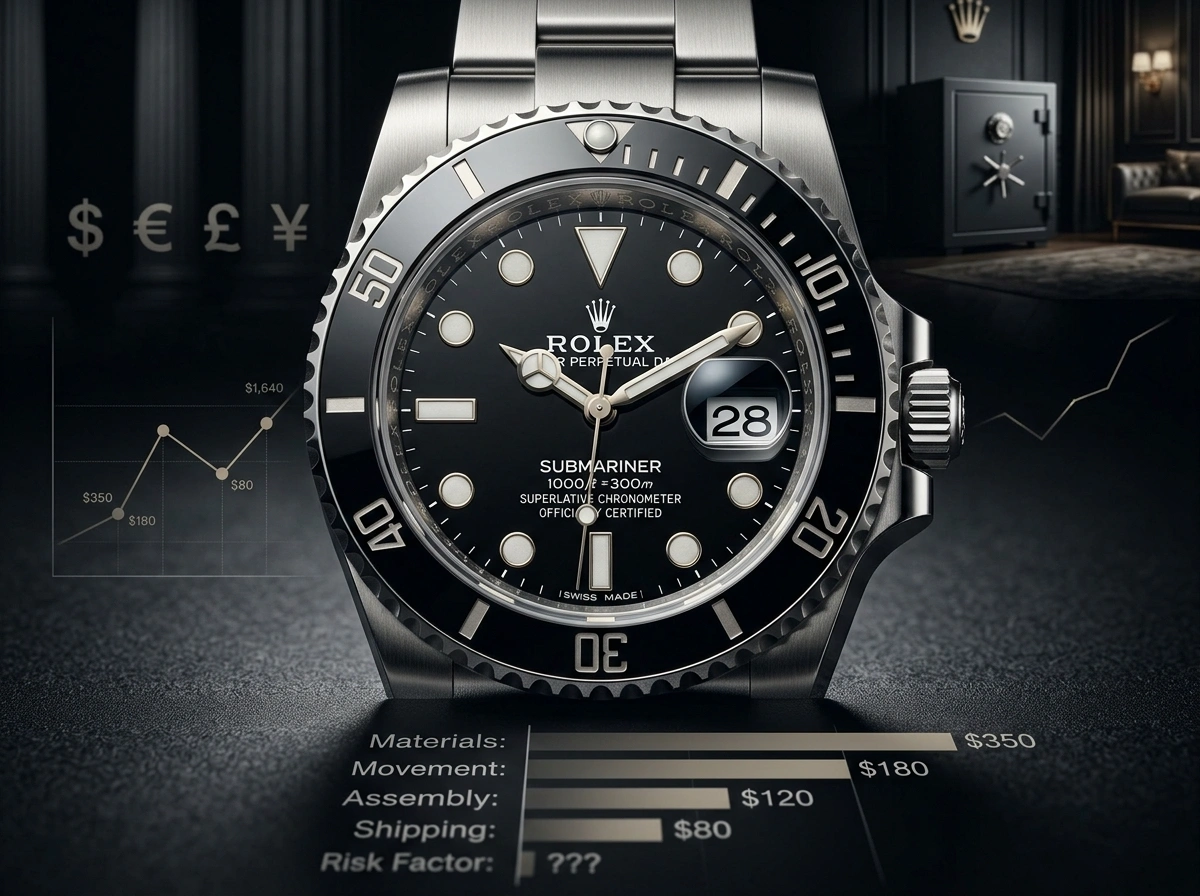
Luxury watches have always carried a certain mystique. A Rolex on your wrist signals taste, success, and an appreciation for fine craftsmanship. Yet the price tags attached to genuine Swiss timepieces put them out of reach for most people. That gap has fueled growing interest in high-end replicas, often marketed as “super clones.”
But what does a super clone Rolex actually cost? The answer is more layered than a single number. Pricing depends on movement quality, materials, finishing, and the seller behind the product. This guide breaks down the real costs, the factors that drive value, and what every buyer should weigh before making a decision.
What Exactly Is a Super Clone Rolex?
A super clone sits at the top tier of the replica market. Unlike cheap imitations that fall apart within months, these watches aim to mirror the original down to fine details. Think accurate dial printing, matching weight, correct case proportions, and movements designed to replicate the feel of the genuine article.
The term “super clone” generally implies higher-grade components and tighter quality control. These are not the watches you find at a street stall. They occupy a specialized niche where enthusiasts seek the look and experience of a luxury piece without the five-figure expense.
Understanding this distinction matters because price reflects quality. A $50 fake and a $600 super clone are entirely different products, even if they share the same crown logo.
A Practical Price Breakdown
Pricing in this category varies widely, but it tends to fall into recognizable bands. Here’s how the numbers usually shake out.
Entry-Level Replicas: $80 to $200
At the bottom of the range, you’ll find basic replicas. These often use lower-quality movements, lighter cases, and imperfect dial work. Up close, the flaws become obvious. For someone who simply wants the appearance at a glance, these may suffice. For anyone seeking accuracy, they disappoint.
Mid-Tier Replicas: $200 to $450
This band introduces better materials and improved assembly. Cases feel heavier, movements run more reliably, and details look sharper. Still, certain elements such as bezel action, lume quality, or engraving precision may not hold up to close inspection.
Super Clones: $450 to $900+
This is where the serious replicas live. Super clones in this range often feature clone movements engineered to mimic Rolex calibers, sapphire crystals, 904L-style steel, and precise dial layouts. The weight, sound, and wrist presence come remarkably close to the genuine watch. Specialized sellers such as super clone rolex for sale focus on this premium tier, where attention to detail justifies the higher cost.
Some limited or highly complex models can push beyond $1,000, especially when they replicate intricate complications or rare references.
What Drives the Price?
Several factors explain why two watches that look similar can carry very different price tags.
Movement Quality
The movement is the heart of any watch. Cheaper replicas rely on generic mechanisms that may run inaccurately or fail over time. Super clones use refined movements, sometimes reverse-engineered to behave like the original caliber. Better movements cost more to produce, and that expense passes to the buyer.
Materials
Genuine Rolex watches use proprietary alloys and high-grade components. Top replicas attempt to match these with comparable stainless steel, sapphire crystals, and quality gaskets. Premium materials raise both durability and price.
Finishing and Detail
Polishing, brushing, engraving, and dial printing all require skill. The closer a clone gets to factory-level finishing, the more labor and precision involved. This craftsmanship is a major reason super clones command higher prices.
Seller Reputation
Established sellers invest in quality control, packaging, and customer support. That infrastructure adds cost but also reduces the risk of receiving a defective product. A trusted source often charges more, and for good reason.
Value Factors Worth Considering
Price alone doesn’t tell the whole story. When evaluating a super clone, think about the value you actually receive.
- Longevity: A well-made clone can last years with proper care, while a cheap one may stop working quickly.
- Wearability: Higher-tier pieces feel comfortable and balanced, closely matching the original experience.
- Accuracy: Better movements keep time more reliably, an important detail for daily wear.
- Resale and trade interest: Within enthusiast communities, premium clones hold more interest than disposable fakes.
Spending a bit more upfront often delivers a far better long-term experience. A bargain that breaks within months rarely counts as a true saving.
Buyer Considerations Before You Purchase
Smart buyers do their homework. Before committing, keep these points in mind.
Research the seller. Look for detailed product photos, transparent descriptions, and consistent customer feedback. Vague listings are a red flag.
Ask about the movement. Knowing whether a watch uses a clone caliber or a generic one helps you understand what you’re paying for.
Check return and warranty policies. Reputable sellers stand behind their products. A clear policy signals confidence in quality.
Compare across the market. Prices that seem too good to be true usually are. If a “super clone” costs less than $100, the quality almost certainly falls short of the label.
Set realistic expectations. Even the best clone is not the genuine article. It can come impressively close, but small differences remain.
Understanding the Risks
No honest discussion of replicas is complete without acknowledging the risks involved.
Legal and Ethical Concerns
Replicas exist in a complicated legal space. Trademark laws protect brands like Rolex, and selling counterfeit goods carries legal consequences in many regions. Buyers should understand the rules where they live and recognize the ethical questions tied to imitation products.
Quality Inconsistency
Even within the super clone category, quality can vary between batches and sellers. Without careful research, you may receive a piece that falls short of expectations.
Payment and Shipping Risks
Because this market operates outside official channels, payment security and shipping reliability are not guaranteed. Customs delays, seizures, or lost packages can occur. Choosing an established seller reduces but does not eliminate these risks.
No Genuine Authenticity
A clone will never be a real Rolex. It carries no genuine warranty, no brand servicing, and no authenticity. Anyone hoping to pass it off as real or expecting genuine value sets themselves up for disappointment.
Conclusion
The real cost of a super clone Rolex extends well beyond the sticker price. While entry-level replicas start around $80, true super clones typically range from $450 to $900 or more, with quality climbing alongside the cost. Movement engineering, materials, finishing, and seller reputation all shape what you pay and what you receive.
For buyers drawn to the look and feel of a luxury timepiece without the luxury price, a high-end clone can offer an appealing middle ground. Still, the decision deserves careful thought. Weigh the value factors, research your seller, and stay clear-eyed about the legal and quality risks.
In the end, an informed buyer makes the best buyer. Knowing exactly what drives the price helps you spend wisely, avoid disappointment, and find a watch that truly matches your expectations.
