


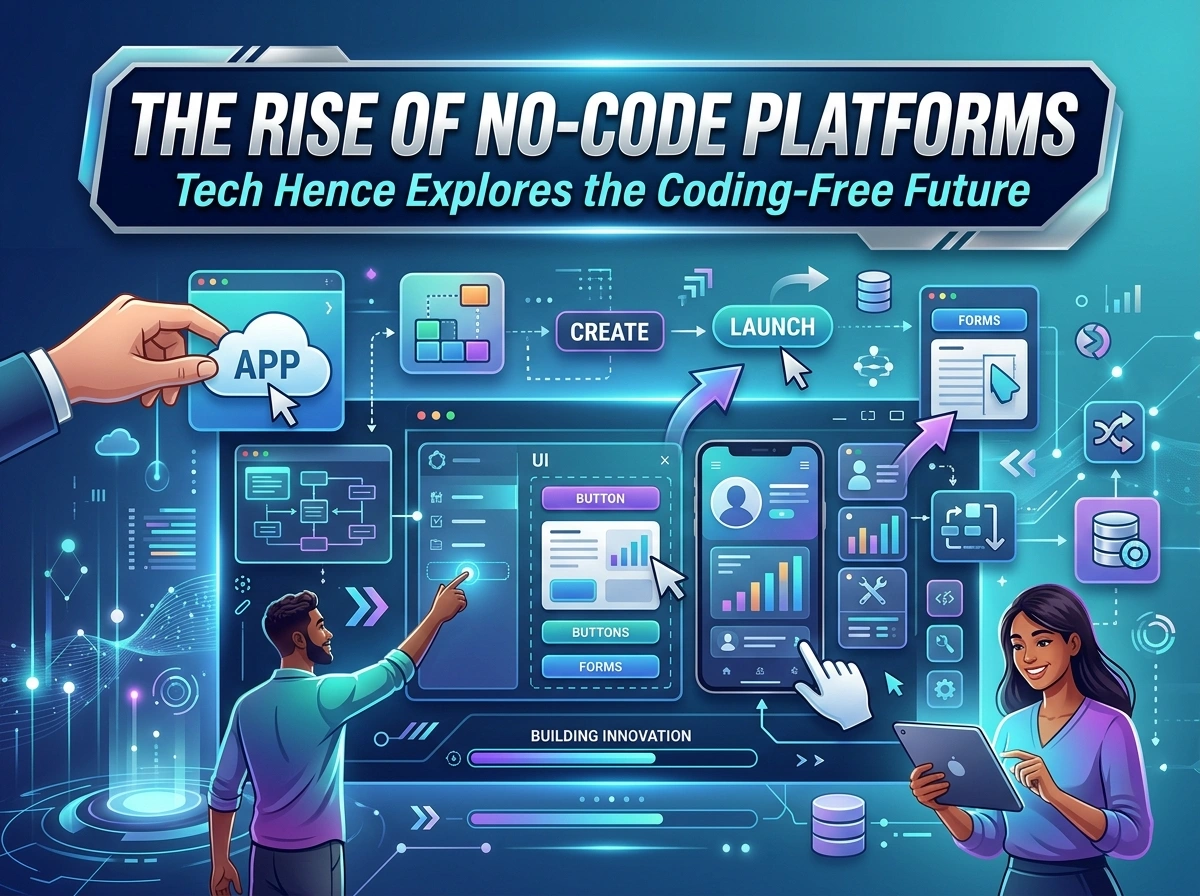
Building software once meant hiring a team of developers, waiting months for results, and spending a small fortune. That reality is changing fast. Across the United States, business owners, marketers, and everyday creators are launching apps, websites, and automated workflows without writing a single line of code. Welcome to the no-code movement, a shift that’s reshaping how America builds digital products.
This wave of accessible technology is opening doors for people who never imagined they could create software. Let’s explore what no-code platforms are, why they’re taking off, and what their growth means for the future.
What Are No-Code Platforms?
No-code platforms are software tools that let you build applications through visual interfaces instead of traditional programming. Rather than typing complex syntax, you drag and drop elements, connect features with simple menus, and design layouts by clicking buttons.
Think of it like building with digital LEGO blocks. You assemble ready-made components to create something functional and polished. Popular examples include tools for building websites, mobile apps, databases, and automated business processes.
There’s also a close cousin called “low-code.” Low-code platforms still use visual building blocks but allow some custom coding for advanced features. Both approaches share the same goal: making software creation faster and more approachable for everyone.
Why No-Code Platforms Are Rising in Popularity
Several forces are driving this surge, and they reflect broader trends across the American economy and workplace.
The Developer Shortage
Skilled programmers are in high demand, and there simply aren’t enough to go around. Companies of all sizes struggle to hire technical talent, and salaries keep climbing. No-code tools ease this pressure by letting non-technical staff handle projects that once required a developer.
The Need for Speed
Markets move quickly, and businesses can’t afford to wait months for a new app or feature. No-code platforms shrink development timelines from weeks to days, sometimes even hours. This speed gives companies a real competitive edge.
Rising Tech Adoption
Americans embrace new technology at impressive rates. As more people grow comfortable with digital tools, the appetite for accessible software-building solutions naturally expands. No-code fits perfectly into this tech-forward culture.
Cost Savings
Traditional software development is expensive. No-code platforms cut costs dramatically by reducing the need for large technical teams and long project cycles. For small businesses and startups watching every dollar, this matters enormously.
Industry analysts and tech commentators like tech hence have highlighted how these platforms are democratizing software creation, putting powerful tools directly into the hands of everyday users.
Key Benefits for Businesses and Entrepreneurs
No-code platforms offer real, measurable advantages. Here are the ones that matter most.
Faster Time to Market
When you can build and launch quickly, you test ideas sooner and respond to customer needs in real time. Entrepreneurs can validate a business concept in days rather than sinking months into development before knowing if it works.
Lower Barriers to Entry
You don’t need a computer science degree to bring your vision to life. A marketing manager can build a customer survey tool. A shop owner can create an online store. This accessibility empowers people who were previously locked out of software creation.
Empowered Teams
No-code puts creative control in the hands of the people closest to the problem. Instead of describing their needs to a developer and hoping for the best, team members build solutions themselves. This reduces miscommunication and speeds up results.
Flexibility and Experimentation
Because changes are quick and cheap, businesses can experiment freely. Try a new feature, test a fresh design, or pivot an idea without massive investment. This freedom encourages innovation.
Scalability for Growing Companies
Many modern no-code platforms handle growth well, supporting more users and larger datasets as your business expands. This makes them suitable not just for startups but for established organizations too.
Real-World Use Cases
No-code isn’t just theory. Businesses across the country use these tools every day in practical ways.
- Small business websites: Local shops and service providers build professional sites without hiring web designers.
- Internal tools: Companies create custom dashboards, inventory trackers, and approval systems tailored to their exact needs.
- Mobile apps: Startups launch functional apps to test market demand before investing in full development.
- Workflow automation: Teams connect their existing software to automate repetitive tasks like data entry, email follow-ups, and report generation.
- Customer portals: Businesses build secure spaces where clients can log in, view information, and manage their accounts.
From a nonprofit in the Midwest managing volunteer schedules to a tech startup in California prototyping its next product, no-code adapts to countless situations.
The Future of No-Code Development
The no-code movement is still young, and its trajectory points sharply upward. A few developments deserve attention.
Artificial Intelligence Integration
AI is joining forces with no-code platforms in exciting ways. Imagine describing what you want in plain English and watching the platform build it for you. This combination will make software creation even more intuitive and powerful.
Bridging Business and Technology
No-code is blurring the line between technical and non-technical roles. In the coming years, expect a new class of “citizen developers,” employees who build solutions as part of their regular jobs, working alongside professional programmers.
Enterprise Adoption
Large corporations are increasingly embracing no-code for internal projects. As trust in these platforms grows and security features mature, expect wider adoption at the enterprise level.
A More Inclusive Tech Landscape
Perhaps the most meaningful shift is who gets to participate. No-code opens technology creation to people of all backgrounds, ages, and skill levels. This diversity of creators will likely lead to more diverse, useful, and creative software.
Potential Limitations to Consider
No tool is perfect, and it’s important to approach no-code with realistic expectations.
Customization Limits
While no-code handles many needs well, highly specialized or complex projects may hit walls. When you need something truly unique, traditional coding still offers unmatched flexibility.
Platform Dependence
When you build on a specific platform, you rely on that company’s continued service, pricing, and features. If the platform changes its terms or shuts down, your project could be affected. This is often called “vendor lock-in.”
Performance for Large-Scale Needs
Some no-code solutions may struggle with extremely high traffic or massive data demands. For enterprise-grade applications with heavy requirements, custom development sometimes performs better.
Security and Compliance
Businesses in regulated industries must ensure their no-code tools meet legal standards for data protection and privacy. Always verify that a platform complies with relevant regulations before storing sensitive information.
The good news is that many of these limitations are shrinking as platforms improve. Still, choosing the right tool for the right job remains essential.
Final Thoughts
No-code platforms represent one of the most exciting shifts in modern technology. By removing the technical barriers that once blocked so many people, they’re empowering a new generation of creators, entrepreneurs, and businesses to build the digital tools they need.
The coding-free future isn’t about replacing developers. It’s about expanding who can create and how quickly great ideas can come to life. Whether you’re a solo entrepreneur testing a bold concept or a growing company streamlining operations, no-code offers a practical, affordable path forward.
As these platforms continue to evolve, blending with AI and reaching more industries, the possibilities will only grow. The question isn’t whether no-code will shape the future of software. It’s how you’ll use it to shape yours.
