


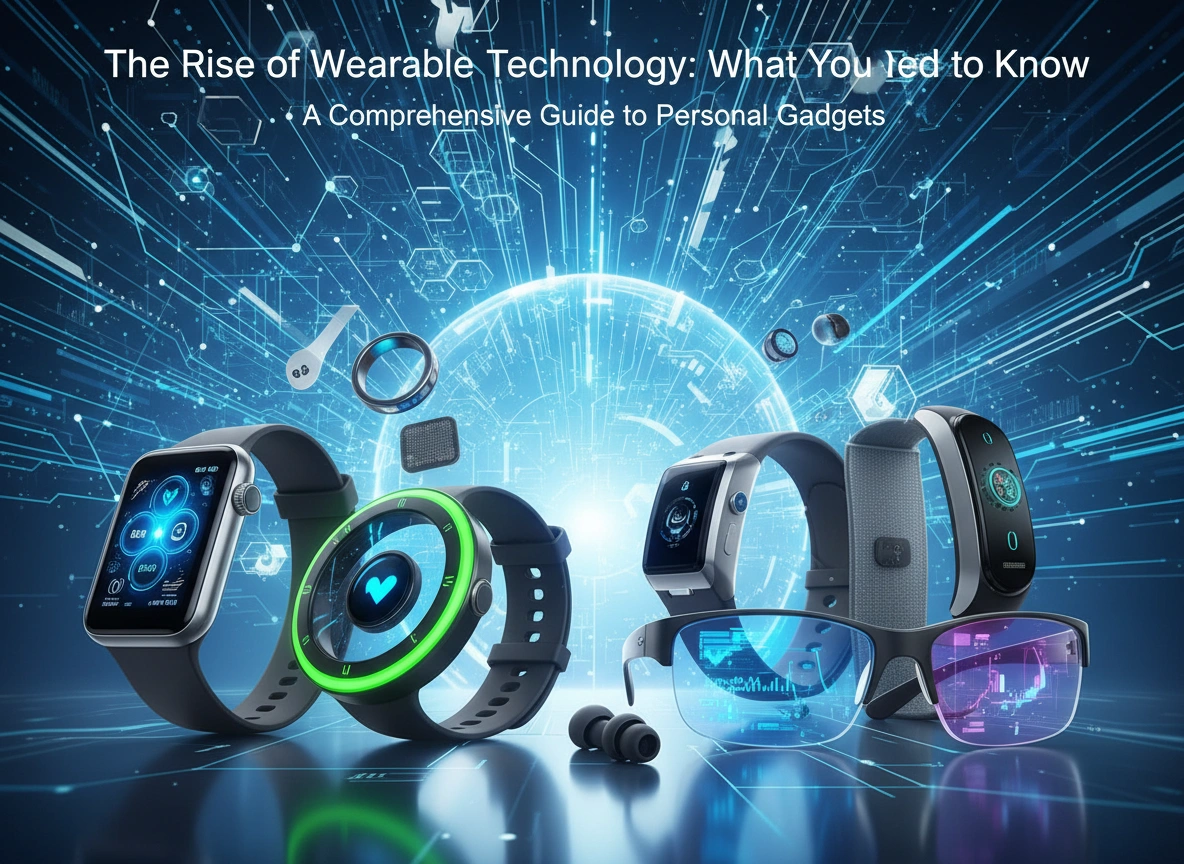
Wearable technology has quietly integrated itself into the fabric of daily life. From the fitness tracker on your wrist to the smart ring on your finger, these devices are no longer novelties but powerful tools that monitor our health, keep us connected, and enhance our reality. What started as simple gadgets for counting steps has blossomed into a sophisticated ecosystem of devices with profound implications for individuals and entire industries. Understanding this evolution is key to navigating our increasingly connected future.
This article will explore the dynamic world of wearable technology. We will trace its journey from early concepts to today’s advanced devices, examine the key types of wearables available, and analyze their transformative impact on sectors like healthcare and entertainment. We will also address the critical challenges of privacy and security while looking ahead at the exciting innovations that will shape the next generation of wearables.
What is Wearable Technology?
Wearable technology, or “wearables,” refers to electronic devices that can be worn as accessories, embedded in clothing, implanted in the user’s body, or even tattooed on the skin. The core idea is to create a seamless interface between the user and technology, allowing for continuous data collection and convenient access to information without needing to hold a smartphone or sit at a computer.
The concept isn’t entirely new. The first calculator watch, released in the 1970s, was an early precursor. However, the modern era of wearables truly began in the early 2000s with the advent of Bluetooth headsets and the first fitness trackers. The launch of devices like the original Fitbit in 2009 and the Apple Watch in 2015 marked major turning points, bringing advanced sensors, powerful processors, and sleek designs to the mainstream market. This evolution was driven by advancements in miniaturization, battery life, and wireless connectivity.
Key Types of Wearable Devices
The wearables market is diverse, with devices designed for a wide range of functions. Each category serves a unique purpose, catering to different user needs and preferences.
Smartwatches
Smartwatches are arguably the most popular category of wearables. These devices act as extensions of a smartphone, delivering notifications, calls, and messages directly to your wrist. Modern smartwatches, such as the Apple Watch and Samsung Galaxy Watch, are packed with features. They include advanced health sensors for monitoring heart rate, blood oxygen levels, and even performing an electrocardiogram (ECG). They also support third-party apps, mobile payments, and GPS navigation, making them versatile companions for everyday life.
Fitness Trackers
Fitness trackers are specialized devices focused on monitoring physical activity and health metrics. Brands like Fitbit and Garmin offer trackers that count steps, measure distance, track sleep patterns, and calculate calories burned. While smartwatches often include these features, dedicated fitness trackers appeal to users who want a simpler, more focused device, often with longer battery life. They provide valuable insights that help people achieve their health and wellness goals.
Smart Rings
A newer but rapidly growing category, smart rings pack an impressive amount of technology into a small, discreet form factor. Devices like the Oura Ring are designed for continuous health monitoring, with a primary focus on sleep quality and recovery. By tracking metrics such as body temperature, heart rate variability (HRV), and respiratory rate, smart rings offer detailed analysis of your body’s readiness for the day. Their unobtrusive design makes them ideal for 24/7 wear.
Augmented Reality (AR) and Smart Glasses
AR glasses overlay digital information onto the real world, creating an interactive experience. While early attempts like Google Glass had limited consumer success, the technology has matured significantly. Devices like Meta’s Ray-Ban Stories integrate cameras and audio for hands-free content creation, while more advanced glasses aim to provide immersive navigation, real-time language translation, and hands-on training assistance in professional settings. This category holds immense potential to change how we interact with digital content.
The Impact on Major Industries
The influence of wearable technology extends far beyond personal convenience. It is actively reshaping operations and creating new opportunities across various industries.
Healthcare
In healthcare, wearables are enabling a shift from reactive to proactive care. Continuous monitoring of vital signs allows doctors to track patients’ conditions remotely, leading to earlier detection of potential health issues. For example, the atrial fibrillation detection feature on many smartwatches has alerted numerous users to an irregular heart rhythm, prompting them to seek medical attention. Wearables also empower individuals to take a more active role in managing chronic conditions like diabetes and hypertension by providing real-time data and feedback.
Fitness and Wellness
The fitness industry has been completely transformed by wearables. Gyms and personal trainers use data from trackers to create personalized workout plans and monitor client progress. The competitive and social features built into fitness apps encourage users to stay active by sharing achievements and participating in challenges with friends. This gamification of exercise has proven to be a powerful motivator, helping millions of people lead healthier lifestyles.
Business and Enterprise
In the corporate world, wearables are improving efficiency and worker safety. In a warehouse, an employee wearing smart glasses can receive picking instructions directly in their line of sight, freeing up their hands and reducing errors. For field service technicians, AR glasses can display schematics or connect them with a remote expert for real-time guidance during a complex repair. These applications lead to increased productivity, better training outcomes, and a safer work environment.
Challenges and Concerns
Despite its benefits, the widespread adoption of wearable technology brings significant challenges that must be addressed.
Data Privacy and Security
Wearables collect vast amounts of sensitive personal data, from your location and daily habits to intimate health metrics. This raises serious privacy concerns. Where is this data stored? Who has access to it? Could it be sold to third parties or used for purposes you didn’t approve of, such as influencing insurance premiums? Furthermore, these devices can be vulnerable to hacking, potentially exposing your personal information to malicious actors. Stronger regulations and transparent data policies from manufacturers are essential to building user trust.
Accuracy and Reliability
While the sensors in modern wearables have improved, their accuracy can still vary. A device might misinterpret a user’s heart rate or inaccurately track sleep stages. Relying on potentially incorrect data for medical decisions can be dangerous. Users should view wearables as tools for awareness rather than medical-grade diagnostic devices and always consult a healthcare professional for medical advice.
Cost and Accessibility
High-end wearables can be expensive, creating a digital divide where only those who can afford them can access their benefits. The cost of premium smartwatches and AR glasses can be prohibitive for many consumers. As the technology becomes more essential for health monitoring and professional applications, ensuring equitable access will be an important societal challenge.
The Future of Wearable Technology
The field of wearable technology is evolving at a rapid pace, with several exciting trends on the horizon. We are moving toward more seamless and less obtrusive devices. This includes the development of “smart fabrics,” where sensors are woven directly into clothing, and flexible electronic “tattoos” that can be applied to the skin.
Future innovations will also focus on more advanced health monitoring. We can expect to see wearables capable of non-invasively tracking blood glucose levels for diabetics or detecting early signs of neurological disorders. The integration of advanced AI will allow these devices to not only collect data but also provide personalized, predictive insights to help users prevent illness and optimize their well-being. Ultimately, the goal is for technology to become an invisible, helpful layer in our lives, enhancing our health and capabilities without demanding our constant attention.
Please visit this website for more info.
