


Content marketing is more than just a buzzword; it’s the foundation of modern digital engagement. By consistently creating and distributing valuable, relevant content, businesses can attract and retain a clearly defined audience, ultimately driving profitable customer action. Without a solid strategy, however, these efforts can feel disjointed and fail to deliver meaningful results. A well-crafted plan acts as a roadmap, guiding your decisions and ensuring every piece of content serves a purpose.
This guide will walk you through the essential steps to build a winning content marketing strategy from the ground up. We will cover everything from setting clear objectives and understanding your audience to creating compelling content and measuring your success. By following this framework, you can transform your content from a random assortment of posts into a powerful engine for business growth.
The Importance of Content Marketing
In a crowded digital marketplace, content marketing allows you to cut through the noise. Unlike traditional advertising, which interrupts your audience, content marketing provides value upfront. It helps you build trust, establish authority in your industry, and create a loyal community around your brand.
Effective content marketing drives organic traffic to your website, improves search engine rankings, and generates qualified leads. It nurtures potential customers through their buying journey, answering their questions and positioning your brand as the best solution. Over time, this consistent value exchange fosters a strong relationship that can lead to increased customer loyalty and advocacy.
Steps to Develop Your Content Marketing Strategy
A successful strategy is built on a foundation of research, planning, and clear objectives. Rushing into content creation without this groundwork is a common mistake. Follow these steps to build a plan that aligns with your business goals.
1. Define Your Goals and KPIs
Your content marketing strategy must be tied to specific, measurable business objectives. What do you want to achieve? Without clear goals, you cannot measure your return on investment (ROI). Common content marketing goals include:
- Brand Awareness: Increasing the visibility of your brand among your target audience.
- Lead Generation: Capturing contact information from potential customers.
- Customer Engagement: Building relationships and fostering a community.
- Sales Enablement: Providing your sales team with resources to close deals.
- Customer Loyalty: Retaining existing customers and encouraging repeat business.
Once you have defined your goals, establish Key Performance Indicators (KPIs) to track your progress. For example, if your goal is brand awareness, your KPIs might include website traffic, social media followers, and brand mentions. For lead generation, you would track form submissions, email sign-ups, and conversion rates.
2. Understand Your Target Audience
You cannot create compelling content if you don’t know who you are creating it for. Developing detailed buyer personas is a critical step. A buyer persona is a semi-fictional representation of your ideal customer based on market research and real data about your existing customers.
Your personas should include:
- Demographics: Age, location, income, job title.
- Goals and Challenges: What are they trying to achieve? What problems are they facing?
- Motivations: What drives their decisions?
- Watering Holes: Where do they spend their time online? (e.g., specific social media platforms, forums, industry blogs).
Understanding these details allows you to create content that speaks directly to their needs and interests. It helps you choose the right topics, tone of voice, and distribution channels to reach them effectively.
3. Conduct a Content Audit
Before creating new content, take stock of what you already have. A content audit involves systematically reviewing all of your existing content, such as blog posts, videos, case studies, and whitepapers.
The purpose of the audit is to:
- Identify High-Performing Assets: Which pieces are driving the most traffic, engagement, or leads? These can be updated or repurposed.
- Find Gaps in Your Content: Are there topics your audience cares about that you haven’t covered?
- Pinpoint Underperforming Content: What isn’t resonating with your audience? This content can be improved, consolidated, or removed.
Use a spreadsheet to catalog your content and track metrics like page views, time on page, social shares, and conversion rates. This analysis will provide valuable insights to inform your future content creation efforts.
4. Create a Content Calendar
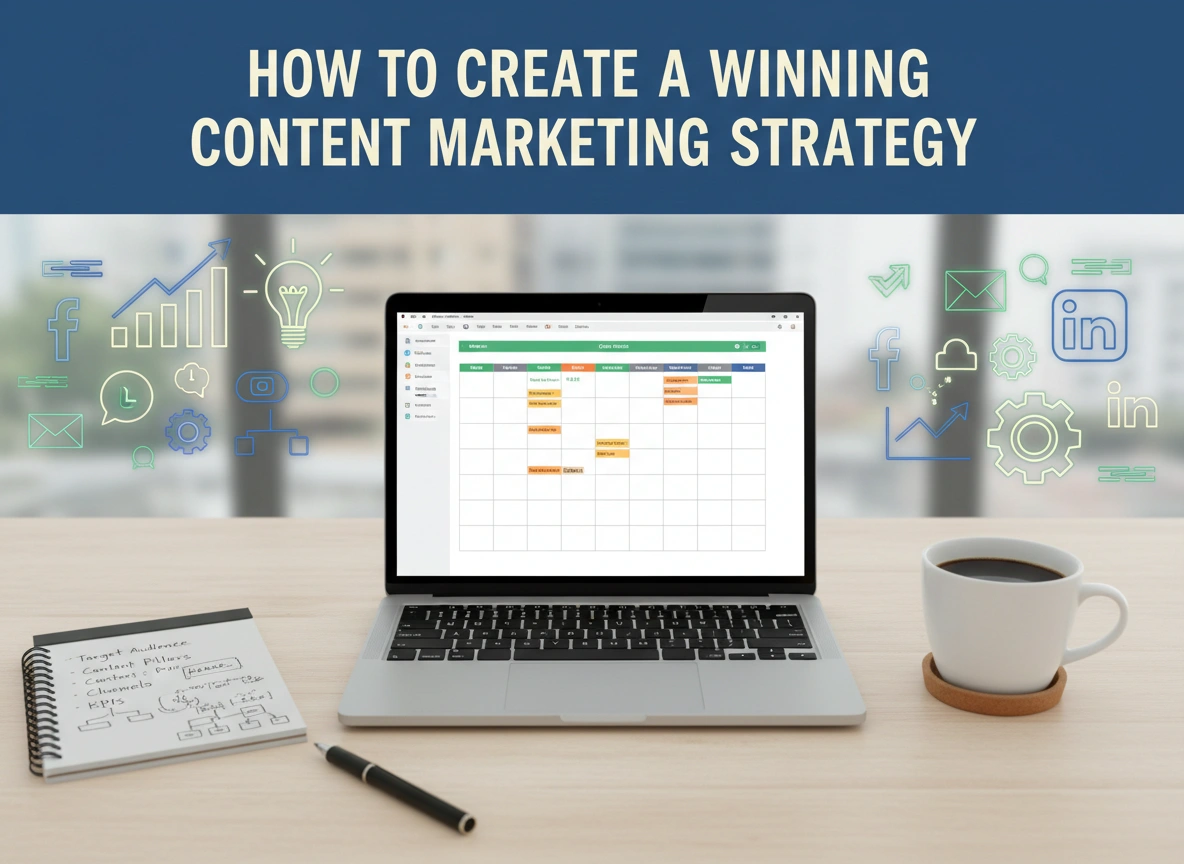
A content calendar is a schedule that outlines when and where you will publish new content. This tool is essential for staying organized, maintaining consistency, and aligning your team. Your calendar can be a simple spreadsheet or a more sophisticated project management tool.
Your content calendar should include:
- The topic or title of the content piece.
- The content format (e.g., blog post, video, infographic).
- The author or creator.
- The publication date.
- The distribution channels (e.g., social media platforms, email newsletter).
- The current status (e.g., in progress, awaiting review, published).
Planning content in advance helps you manage resources, avoid last-minute scrambling, and ensure a steady flow of valuable information for your audience.
Tips for Creating High-Quality, Engaging Content
With a solid strategy in place, you can focus on creating content that captures attention and provides real value.
Focus on Value and Storytelling
Every piece of content should aim to educate, entertain, or inspire your audience. Answer their questions, solve their problems, and tell compelling stories. People connect with narratives, so frame your content around a story whenever possible. Use case studies and customer testimonials to illustrate your points and build credibility.
Choose the Right Formats
Diversify your content formats to keep your audience engaged and cater to different preferences. Some people prefer reading in-depth articles, while others might favor short videos or interactive quizzes. Consider using a mix of:
- Blog Posts: Ideal for SEO and providing detailed information.
- Videos: Highly engaging and shareable, perfect for tutorials and testimonials.
- Infographics: Great for presenting data and complex information in a visually appealing way.
- Ebooks and Whitepapers: Excellent for lead generation and establishing thought leadership.
- Podcasts: A growing format for reaching audiences on the go.
Optimize for Search Engines (SEO)
Create content that both humans and search engines will love. Conduct keyword research to understand the terms your audience is using to search for information related to your industry. Incorporate these keywords naturally into your titles, headings, and body text. Focus on creating comprehensive, high-quality content that thoroughly answers the searcher’s query.
Measuring the Success of Your Strategy
To justify your investment in content marketing, you must track your performance against the goals and KPIs you established. Use tools like Google Analytics, your social media analytics dashboards, and your marketing automation platform to gather data.
Key metrics to monitor include:
- Traffic: How many people are visiting your content? Look at unique visitors, page views, and traffic sources.
- Engagement: How are people interacting with your content? Track metrics like time on page, bounce rate, comments, and social shares.
- Conversions: Is your content driving action? Measure lead form submissions, newsletter sign-ups, and sales attributed to content.
Regularly review these metrics to understand what’s working and what isn’t. Use these insights to refine your strategy, double down on successful tactics, and improve underperforming areas.
Common Pitfalls to Avoid
Even with a plan, it’s easy to make mistakes. Be mindful of these common pitfalls:
- Inconsistent Publishing: Sporadic content creation fails to build momentum or an engaged audience. Stick to your content calendar.
- Being Too Salesy: Your content should provide value, not just promote your products. Focus on your audience’s needs first.
- Ignoring Distribution: Creating great content is only half the battle. You also need a plan to promote it through email, social media, and other channels.
- Giving Up Too Soon: Content marketing is a long-term game. It takes time to build authority and see significant results. Be patient and persistent.
Conclusion
A winning content marketing strategy is a dynamic, living document, not a one-time project. It requires a deep understanding of your business goals and your audience. By setting clear objectives, creating detailed buyer personas, auditing your existing assets, and planning your content with a calendar, you create a powerful framework for success.
Focus on producing high-quality, valuable content across a variety of formats and consistently measure your performance. By avoiding common mistakes and remaining committed to the process, you can build a content engine that drives sustainable growth, fosters customer loyalty, and establishes your brand as a trusted leader in your industry.
Please visit website for more info.
