


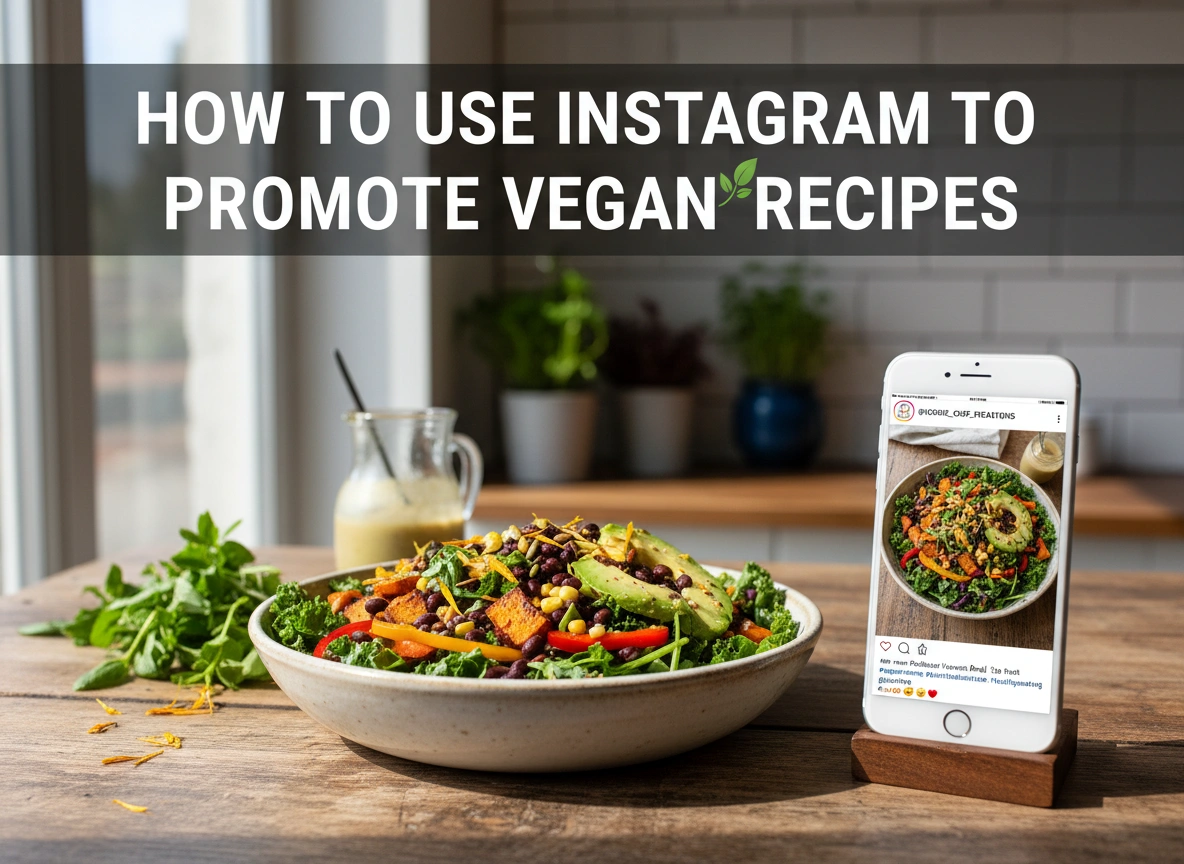
Visual storytelling drives the modern food industry. While cookbooks and blogs remain relevant, Instagram has established itself as the premier stage for culinary creators. For vegan chefs and recipe developers, the platform offers a unique advantage: it allows you to break stereotypes about plant-based eating through vibrant, mouth-watering imagery.
Building a presence on Instagram requires more than just posting a photo of your avocado toast. It demands a strategic blend of aesthetic precision, community engagement, and analytical thinking. Whether you are a seasoned chef or a home cook sharing your journey, mastering this platform is essential for growing your audience and advocating for plant-based living.
Why Instagram is the Ultimate Tool for Vegan Creators
Instagram is inherently visual, making it the perfect medium for food content. However, for the vegan niche, its impact goes deeper than aesthetics. The platform has played a pivotal role in normalizing plant-based diets by making them accessible and appealing to the mainstream.
Visual Appeal Breaks Barriers
One of the biggest hurdles vegan creators face is the misconception that plant-based food is boring or restrictive. Instagram allows you to dismantle this myth instantly. A high-resolution video of a creamy cashew pasta or a perfectly glazed tofu skewer communicates flavor and texture faster than any written recipe could. When you showcase the vibrancy of fresh produce, you are marketing a lifestyle, not just a meal.
Direct Access to a Niche Audience
The vegan community on Instagram is massive and highly engaged. Unlike broad search engine traffic, Instagram users often actively seek out specific dietary inspiration. By positioning your content correctly, you tap into a ready-made audience that is eager for dairy-free, meat-free innovation. This direct line of communication builds trust and authority faster than most other social channels.
Crafting Visually Arresting Content
The quality of your visuals is the single most important factor in your success. In a feed cluttered with content, your recipe must stop the scroll.
Mastering Food Photography
You don’t need a DSLR camera to take stunning photos, but you do need to understand light and composition.
- Embrace Natural Light: Artificial overhead lights often cast harsh, unappetizing yellow tones on food. Always shoot near a window with diffused natural light. This highlights the natural colors of vegetables and fruits.
- The Hero Angle: Different dishes require different angles. Flat lays (shooting from directly above) work beautifully for smoothie bowls and distinctively plated salads. However, burgers and stacked sandwiches look best from a straight-on or 45-degree angle to show off the layers.
- Color Theory: Vegan food is naturally colorful. Use this to your advantage. Contrast a green spinach curry with a bright red chili garnish or a blue ceramic bowl.
Video Techniques: Reels are Mandatory
Static images are no longer enough. Instagram’s algorithm heavily favors Reels (short-form video).
- The “Hook” Shot: Start your Reel with the finished product. Show the cheese pull (using vegan mozzarella), the steam rising, or the first bite. You have three seconds to grab attention.
- ASMR and Sound: Don’t underestimate the power of audio. The sound of chopping crisp vegetables, sizzling oil, or a blender whirring adds a sensory layer that makes the viewer feel like they are in the kitchen with you.
- Tutorial Style: Speed up the mundane parts (chopping onions) and slow down the critical steps (tempering spices or folding batter). Add text overlays for ingredients so viewers can follow along without sound.
Leveraging Hashtags, Captions, and Stories
Once your visual content is ready, you need to ensure it reaches the right people and encourages interaction.
The Strategic Use of Hashtags
Hashtags function as the search engine of Instagram. A mix of broad and specific tags usually yields the best results.
- High-Volume Tags: Tags like #VeganFood, #PlantBased, and #VeganRecipes have millions of posts. They are competitive but necessary for categorization.
- Niche-Specific Tags: Drill down into specifics. If you made a gluten-free dish, use #GlutenFreeVegan. If it’s a budget meal, use #BudgetVegan or #VeganOnABudget.
- Location Tags: If you are a personal chef or own a bakery, location tags are crucial for finding local clients.
Captions That Convert
A picture draws them in, but the caption keeps them there. Avoid posting a recipe with just an emoji.
- Micro-Blogging: Treat your caption like a mini-blog post. Share the story behind the dish. Why do you love this recipe? Is it a childhood favorite reinvented?
- The Call to Action (CTA): Always tell your audience what to do next. “Save this post for your Sunday meal prep,” “Tag a friend who needs to try this,” or “Click the link in my bio for the full printable recipe.”
Utilizing Instagram Stories
Stories are for your loyal followers. This is where you can be less polished and more authentic.
- Behind the Scenes: Show the kitchen mess, the recipe fails, and the grocery hauls. This humanizes your brand.
- Polls and Q&As: Use the sticker features to ask your audience what they want to see next. “Should I make vegan lasagna or tacos next week?” This boosts engagement rates significantly.
Engaging with the Community to Build Loyalty
Posting content is a broadcast; social media requires a dialogue. You cannot build a loyal following if you ignore your audience.
The “Give to Get” Philosophy
Engagement is a two-way street. If you want people to comment on your posts, you must comment on theirs. Spend 15 minutes before and after you post interacting with accounts in your niche. Don’t just leave generic comments like “Yum!” Ask questions about their techniques or ingredients. This sparks genuine conversation.
Responding to Comments
When someone takes the time to comment on your recipe, reply to them. If they ask a substitution question (e.g., “Can I use almond flour instead of oat flour?”), answer it promptly. This helpfulness establishes you as an expert and a reliable resource.
User-Generated Content (UGC)
Encourage your followers to make your recipes. When they do, ask them to tag you. Reposting their creations in your Stories is a powerful validation tool. It shows potential followers that your recipes actually work and taste good, providing social proof that is invaluable for growth.
Learning from Success: What Top Accounts Do Right
analyzing successful accounts can provide a blueprint for your own strategy.
- Minimalist Baker: This account succeeds through clarity and consistency. They promise simple recipes (10 ingredients or less, 1 bowl, or 30 minutes). Their bio clearly states this value proposition, and every post reinforces it.
- Sweet Potato Soul: Jenné Claiborne excels at personal branding. Her face is frequently in her feed, and she shares lifestyle content alongside recipes. This creates a personal connection that turns followers into fans.
- Gaz Oakley (Avant-Garde Vegan): Gaz focuses on high-production value. His content looks cinematic, positioning vegan food as gourmet and aspirational rather than just “healthy.”
Takeaway: Identify what makes your approach unique. Are you the “Quick & Easy” chef? The “Gourmet on a Budget” creator? The “Nutrition-Focused” expert? Define your lane and own it.
Using Analytics to Refine Your Strategy
Finally, you must treat your Instagram account like a business. If you have a Creator or Business account, you have access to Instagram Insights.
key Metrics to Watch
- Saves: This is currently one of the most important metrics for recipe creators. A “save” indicates that the content was valuable enough that the user wants to return to it. High save rates signal to the algorithm that your content is high-quality.
- Reach vs. Impressions: Reach tells you how many unique accounts saw your post, while impressions tell you how many times it was seen total. If your reach is low, you may need to adjust your hashtags or posting time.
- Audience Demographics: check when your followers are most active. If 60% of your audience is online at 6 PM, posting at 10 AM is a wasted opportunity.
Iterative Improvement
Review your top-performing posts from the last month. Did they share a common visual style? Was it a specific type of food (e.g., desserts vs. dinners)? Was it a Reel or a carousel? Use this data to dictate your content calendar for the next month. If your audience loves vegan comfort food but ignores salads, pivot your strategy to give them more of what they want.
Conclusion
Promoting vegan recipes on Instagram is a journey of creativity and connection. It requires a commitment to visual excellence, a willingness to engage authentically, and the discipline to analyze your results. By following these strategies, you do more than just grow a following; you contribute to a global shift toward more sustainable, compassionate eating. Start today by picking one recipe, shooting it in natural light, and sharing the story behind it. Your audience is waiting.
Please visit website for more info
